Technical Brief: Grasshopper production systems in East Africa
The Ruspolia project, funded by the Flemish Interuniversity Council (VLIR-OUS) has released a technical brief on grasshopper production system.
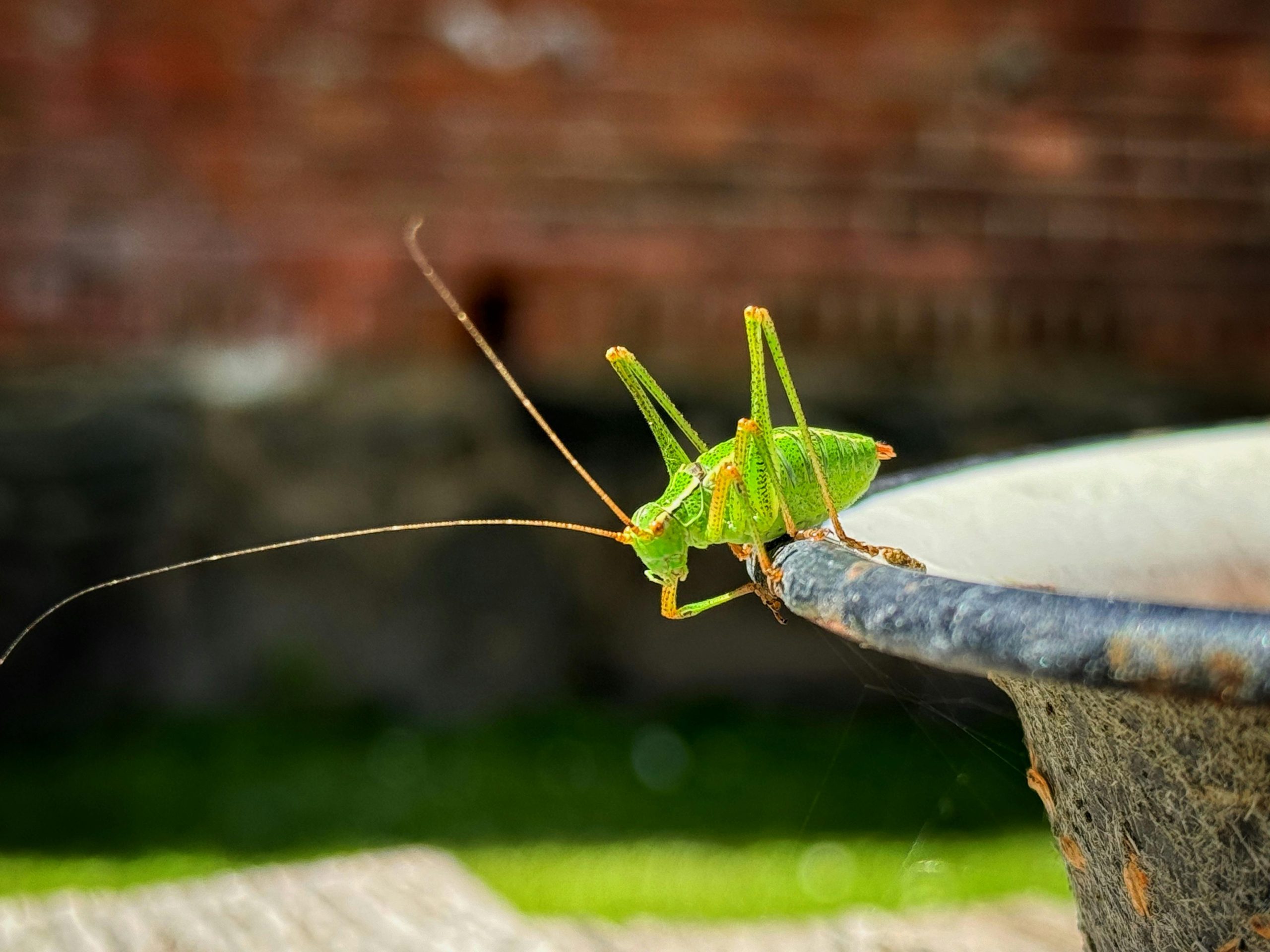
The consumption of the naturally occurring longhorn grasshopper, Ruspolia differens locally known as senene, is an important part of food culture in several regions of East-Africa and contributes significant protein intake of the rural and urban population. For many households, trade in edible insects is a major source of income and considerably contributes to improvements in livelihood. Grasshoppers have traditionally been harvested seasonally from the wild. This method of collection can be unsustainable for the wider ecosystem due to overharvesting or destructive techniques. One of the main benefits of utilizing insects as part of the human diet has been their beneficial nutritional profile, comparable to conventional meats such as chicken and beef.
Although farming technologies for other insects like the cricket (Orthoptera; Gryllidae) are fairly advanced in Asia (e.g. Thailand, Laos) and East Africa, equivalent knowledge for its grasshopper is lacking, especially given the popularity of its consumption. In the case of grasshoppers, preliminary studies performed in Uganda have shown that R. differens can be produced under small-scale laboratory conditions but several aspects of its biology need to be evaluated to optimize production techniques.
This brief provides an overview of harvesting and rearing systems for the Ruspolia grasshopper. It provides an outline of wild harvesting, rearing facilities and management practices, as well as how to rear insects under the prevailing local conditions.
Download the brief here technicalbrief1.
Discover more from Insect Hunter
Subscribe to get the latest posts sent to your email.