The Porridge that grew children
I want to tell you about a study.
Not in the way scientists tell you about studies with passive voice and p-values and tables that require a second cup of tea to decode. I want to tell you the way you tell someone about something that quietly changed you.
Because this one did.
For eight months, in Siaya County, along the shores of Lake Victoria, where the air smells like water and possibility, we enrolled 284 mother-infant pairs into a trial. Babies are six months old. Just starting their journey into solid food. Just beginning to discover that the world contains things beyond milk.
We gave half of them a cricket-enriched complementary porridge. The other half got the standard corn-soy blend — the kind we have been telling mothers to use for years.
And then we waited. Watched. Measured. Came back every month with scales and measuring boards and the kind of hope you are not supposed to put in a scientific paper but carry with you anyway.
Here is what you need to know about Siaya.
It is not a place that does things quietly. The fishermen on the lake have opinions. The grandmothers have more opinions. And when a researcher arrives at Rwambwa Sub-County Hospital with a bag of cricket flour and a consent form, everyone — the nurse, the mother, the auntie who came along — has something to say.
Some of those things were polite. Some were questions we had not anticipated.
One mother, I am told, looked at the flour very carefully for a long time and then asked, very reasonably: “Na kama mtoto ataona ndoto za nzige?”
Will the child dream of crickets?
Madam, that is a legitimate concern and a question I am taking back to the ethics board.
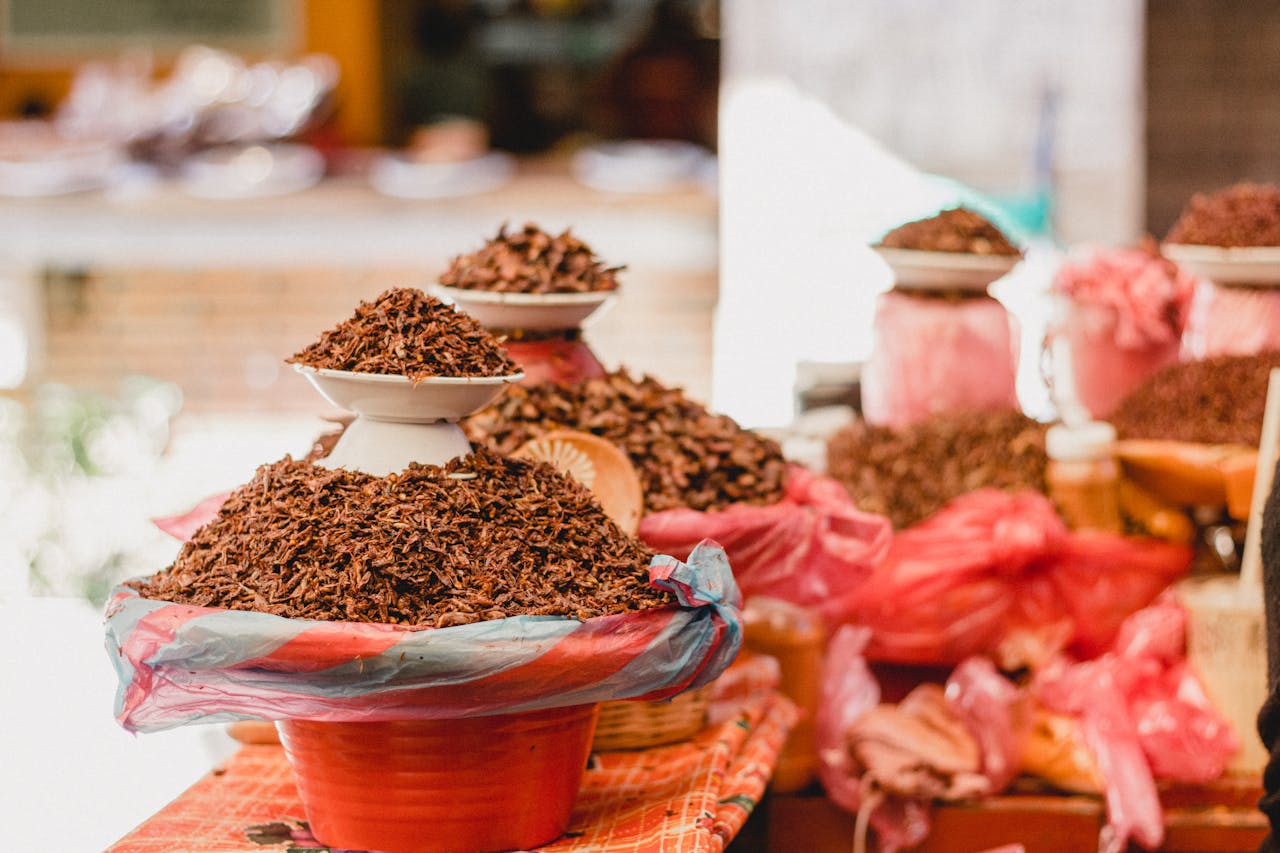
The crickets in question — Gryllus bimaculatus — are not strangers in western Kenya. They have been in the kitchens and the pots and the stories of these communities for generations. Kunguru wa mashambani. The ones that sing after rain. The ones that know when the season is changing.
What we were asking was simple, in theory: could they go from the farm to the porridge? From something farmed, eaten whole and roasted, to something ground fine and folded into a child’s first foods?
Could they be useful in a different way?
The answer, after eight months and 284 families and a great deal of data, is: ndiyo. Lakini si rahisi hivyo.
Yes. But not quite so simply.
Here is what happened:
The children who received the cricket-enriched porridge, the ones whose mothers stirred that flour into their uji every morning, were slightly taller compared to the group that didn’t, though the difference was not statistically significant.
That is the headline number. That is the number a certain kind of reader will stop at and say, “See?” It didn’t work.
But stay with me.
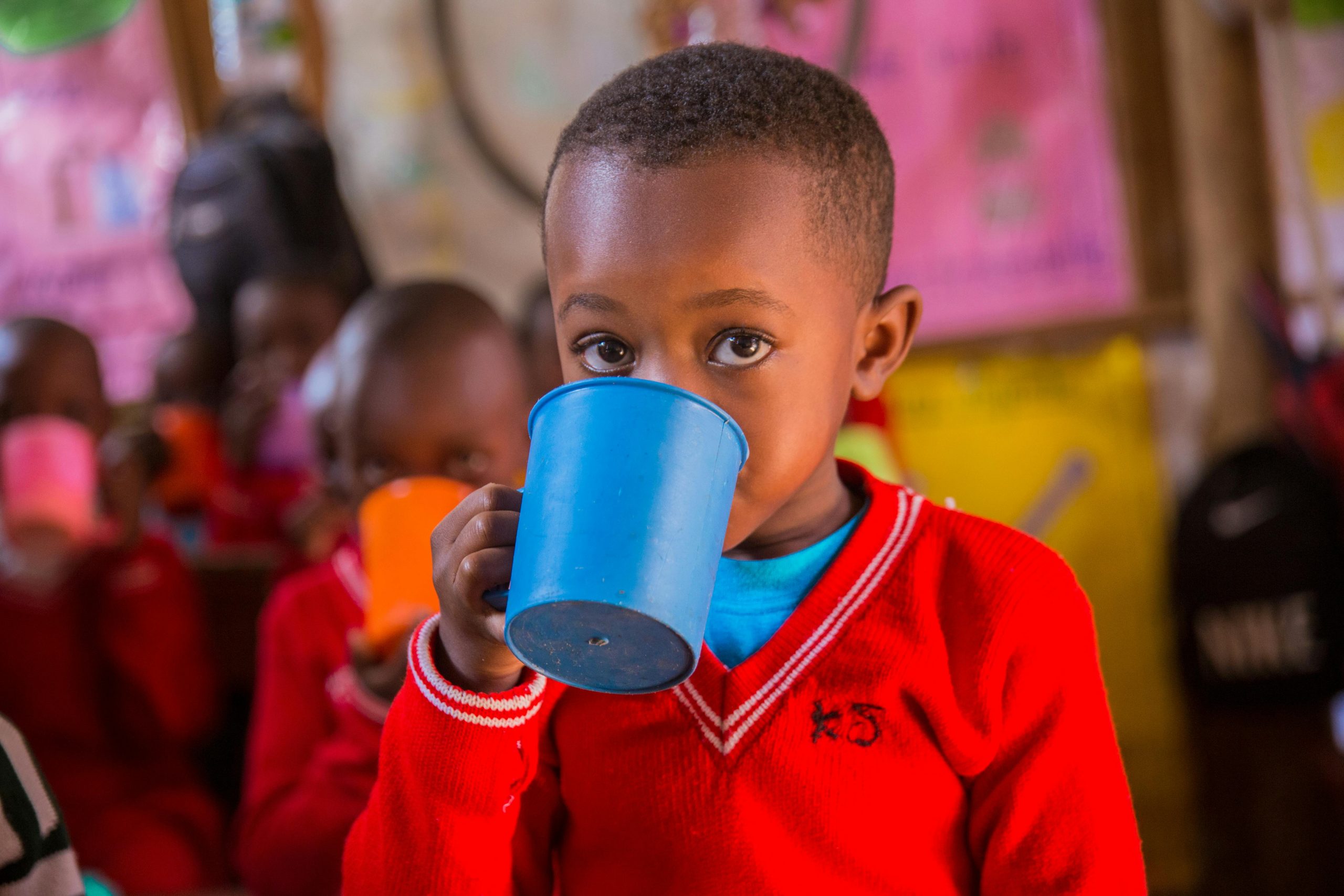
Because what we also found is that the cricket flour was accepted. Consumed. Taken home, prepared, finished. The mothers continued feeding it. The children ate it.
And in the sub-groups where the feeding was consistent? The trends lean. The data whispers. Not shouting yet; but not silent either.
We also paired the cricket treatment with nutrition education. Mobile phone reminders. Personalized audio-visual sessions. A mother in Siaya County receiving a message on her phone about how to feed her six-month-old, in a language she understands, from someone she has met.
That combination, cricket flour plus education, is where the story gets interesting. Because nutrition is never just about the food. It is about what the mother knows, what she believes, what the auntie says when she visits on Sunday, what the church elder thinks about new foods for new babies.
You cannot hand a mother a bag of cricket flour and walk away.
You have to stay. Explain. Return. Be consistent. The kind of work that does not make headlines but makes children grow.
And in that, this study succeeded.
They require someone to say, “Let us try this properly.”
And that is what Siaya was.
A proper try.
We do not always get the result we hoped for in the timeline we hoped for. Science is patient in ways that grant cycles are not. But this trial built something that cannot be measured in Z-scores: infrastructure, trust, methodology, and a community of mothers who now know that crickets have iron and protein and that this knowledge was worth something.
The next study will be better because of this one.
The children who come after will benefit from what these 284 families agreed to give us: eight months of their time, their porridge pots, their questions, and yes, their dreams.
So here is my invitation to you, wherever you are reading this.
The next time someone tells you edible insects are a gimmick, a trend, a thing that TED talks made fashionable — tell them about Siaya. Tell them about Rwambwa Sub-County Hospital. Tell them about a mother stirring cricket flour into uji at six in the morning while her baby watches from a mat on the floor.
Tell them it is not a trend.
It is a trial.
And the trial is ongoing.
Crunch responsibly.
— The Insect Hunter
Reference: Okeyo NO, Wille CE, Kiiru SM, Sigot AJ, Ng’ang’a J, Kinyuru J, Roos N, Konyole SO. Effect of Edible Cricket Enriched Complementary Porridge and Nutrition Education on Linear Growth of Children 6–14 Months in Siaya County, Kenya: A Randomized 2 × 2 Factorial Trial. Maternal & Child Nutrition. 2026;22(1):e70156. https://doi.org/10.1111/mcn.70156
Discover more from Insect Hunter
Subscribe to get the latest posts sent to your email.

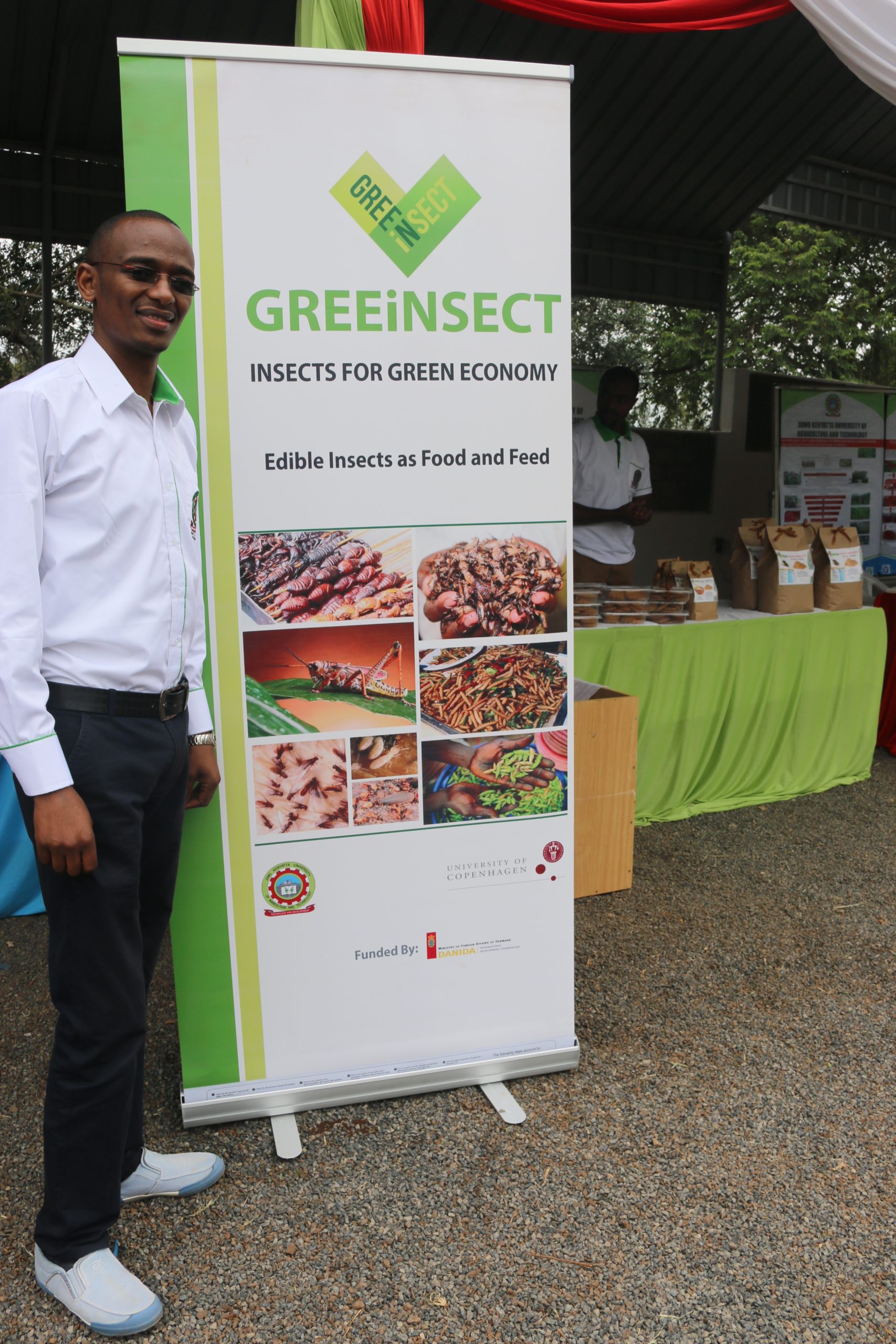
Insects to Feed the World (IFW 2018) Conference in Wuhan , China