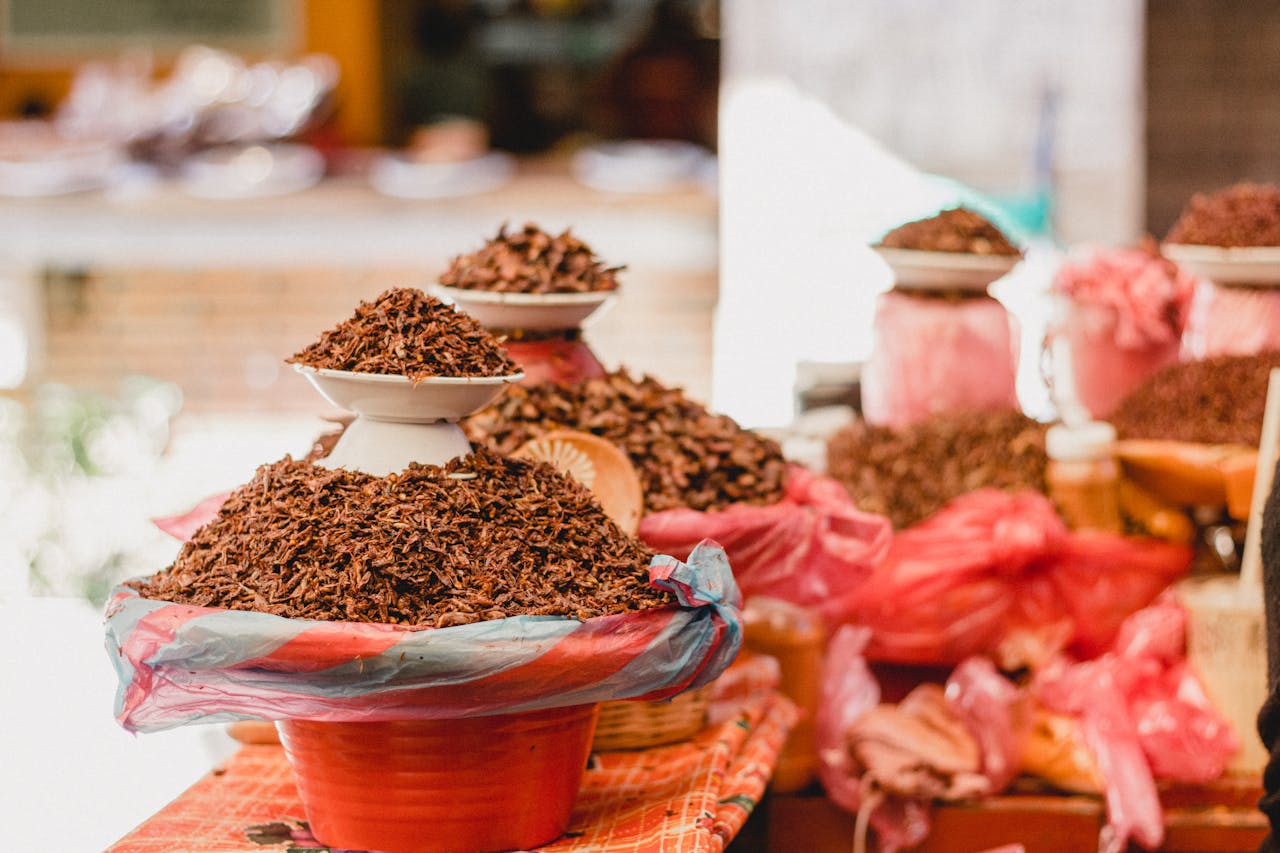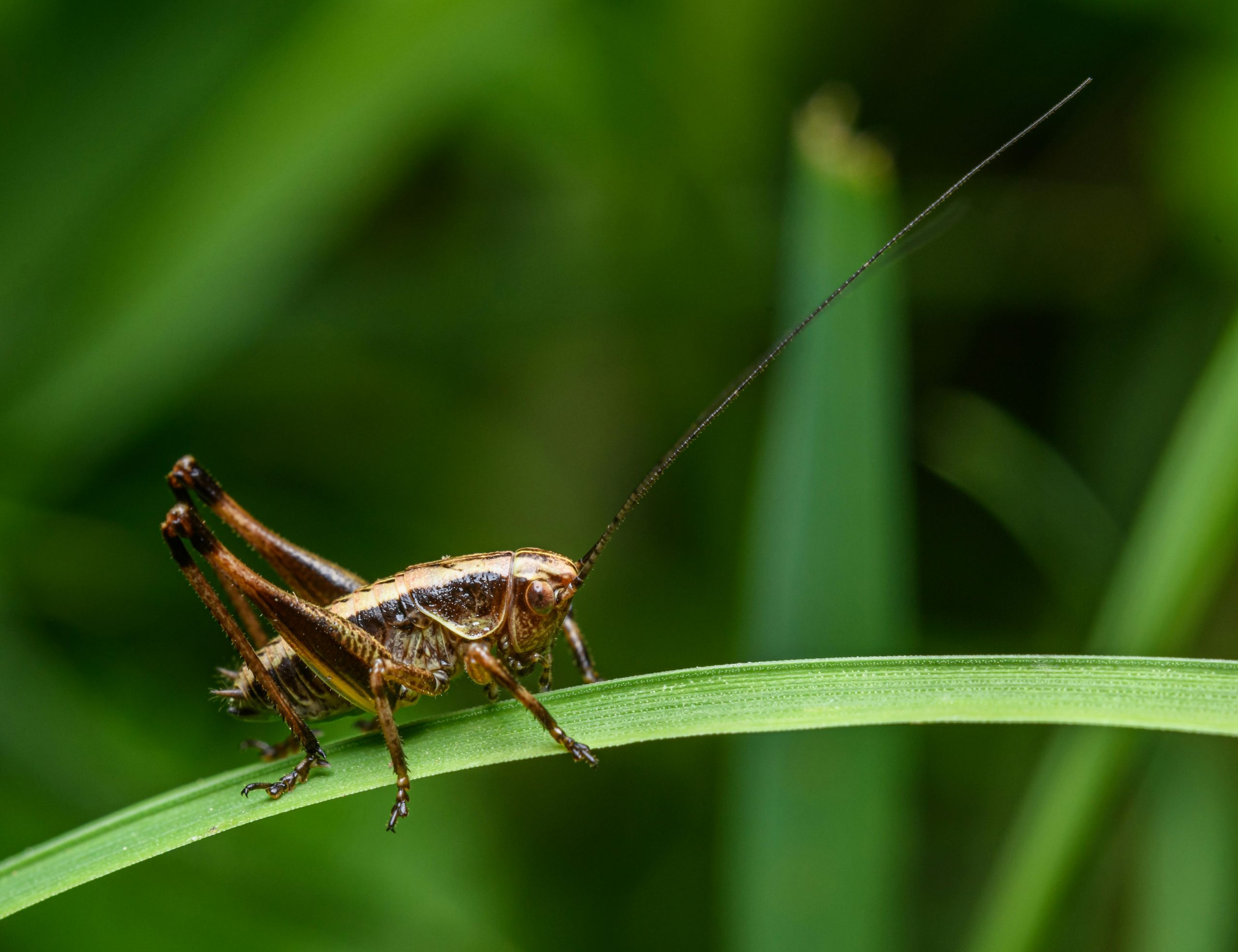
Crickets Crawled Into Baby Porridge
I climbed the tree from the top. Told you how crickets grew children, but never how they got into the porridge in the first place.
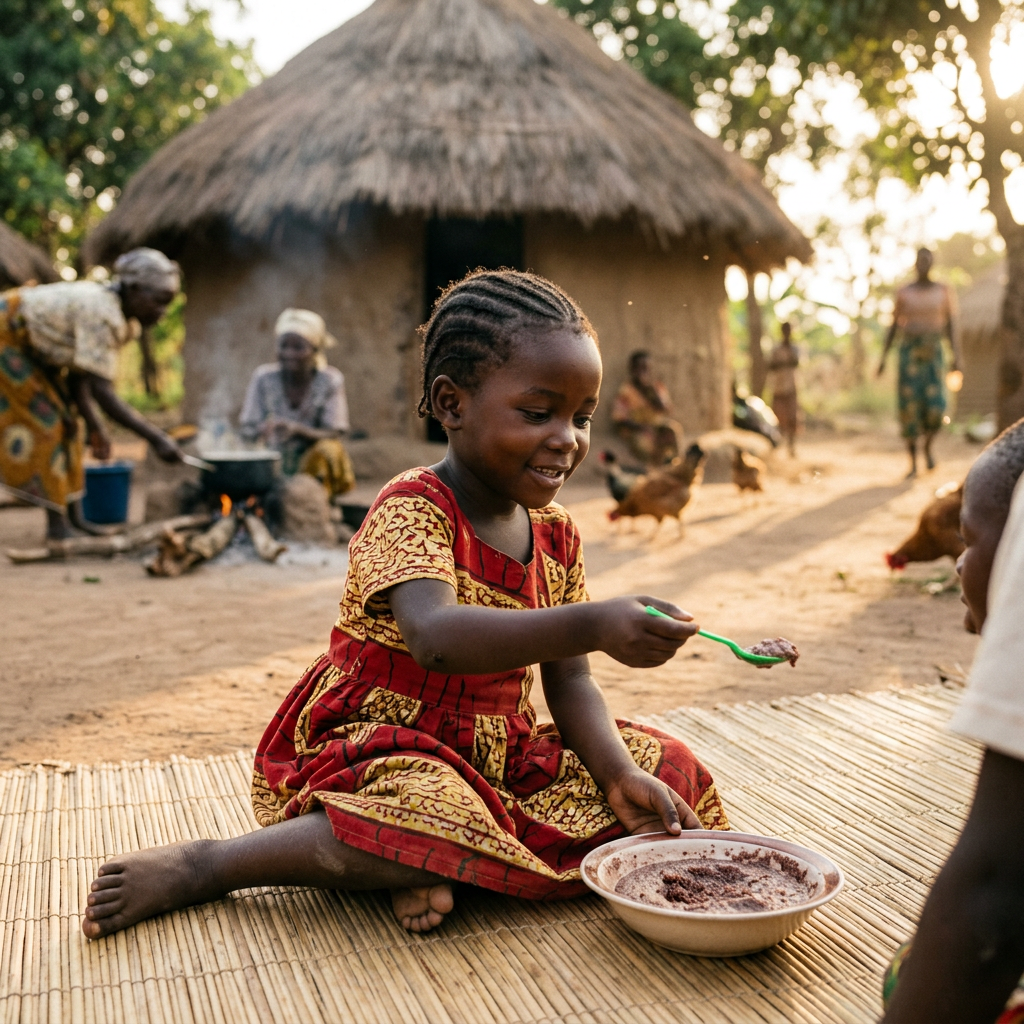
There is something deeply hopeful about a child finishing a bowl of porridge.
Not because the bowl is empty. But because somewhere behind that final spoon is a mother watching carefully, silently asking herself the same question mothers everywhere ask:
Will this food help my child grow?
That question is what led researchers at Jomo Kenyatta University of Agriculture and Technology to an unusual idea — crickets.
Not as snacks. Not as a gimmick for adventurous eaters. But as part of everyday porridge for infants and young children.
Led by a team of Kenyan researchers, the scientists began working on a new kind of complementary flour made from maize, roasted finger millet, and edible crickets. The goal was simple but urgent: create a porridge rich enough to nourish children during the fragile months after exclusive breastfeeding.
Because across many parts of Kenya, porridge is often filling but not necessarily nourishing enough. It fills the stomach quickly, yes. But growing bodies need more than fullness. They need protein. Iron. Zinc. Energy.
And crickets, it turns out, carry plenty of all four.
The researchers processed the cricket flour carefully, blending and extruding it to improve safety, taste, digestibility, and nutrient quality. In the laboratory, the results looked promising. The cricket porridge had higher protein and mineral content than many traditional cereal blends. Even better, the processing reduced compounds that normally prevent the body from absorbing nutrients properly.
But nutrition science has one brutal rule.
A food means nothing if children refuse to eat it.
Which is why another study, this time in Siaya County, may have told the more important story.
Researchers followed mothers and infants for eight months as families introduced the cricket-enriched porridge at home. At first, many caregivers were uncertain. Understandably so. Feeding insects to babies is not yet normal in many Kenyan households, even though insects have been eaten traditionally for generations in different communities.
There was hesitation. Curiosity. Doubt.
And then the children started eating.
Not reluctantly. Enthusiastically.
Over time, acceptance of the cricket porridge rose sharply. Mothers observed that children signaled for more food, enjoyed the aroma, and fed comfortably. Some caregivers later struggled when the study flour ran out because the children rejected ordinary shop porridge afterwards.
One mother explained that her child could recognize the study porridge simply by its smell.
Another described how feeding became easier and less stressful because the child genuinely enjoyed the meal.
Slowly, the anxiety disappeared.
And that is perhaps the real lesson hidden inside the science.
People do not adopt foods because of journal articles. They adopt foods because they work in real life. Because a mother notices her child is active. Because feeding time becomes peaceful. Because the child sleeps well after eating.
That is how food transitions happen.
Quietly.
One household at a time.
The cricket itself may be small. Easy to overlook. Easy to dismiss.
But in a warming world facing rising food insecurity and childhood malnutrition, small things matter.
Especially when they help children grow.
Crunch responsibly.
— The Insect Hunter
Full read:
and
Discover more from Insect Hunter
Subscribe to get the latest posts sent to your email.